For thousands of years, stories of the elf mythical race have appeared in ancient texts, oral traditions, and forbidden folklore. These beings were never simply fairy-tale characters. In early civilizations, the mythical elf was feared, respected, and in some cultures, worshipped. Long before elves became cheerful holiday mascots or fantasy novel characters, they were believed to walk alongside humans, unseen but powerful.
What if these stories were not just myths? What if elves were misunderstood remnants of a forgotten age?
This article explores the historical roots, global legends, and unsettling theories surrounding the elf mythical beings that history may have intentionally buried.
The Ancient Origins of the Elf Mythical Race
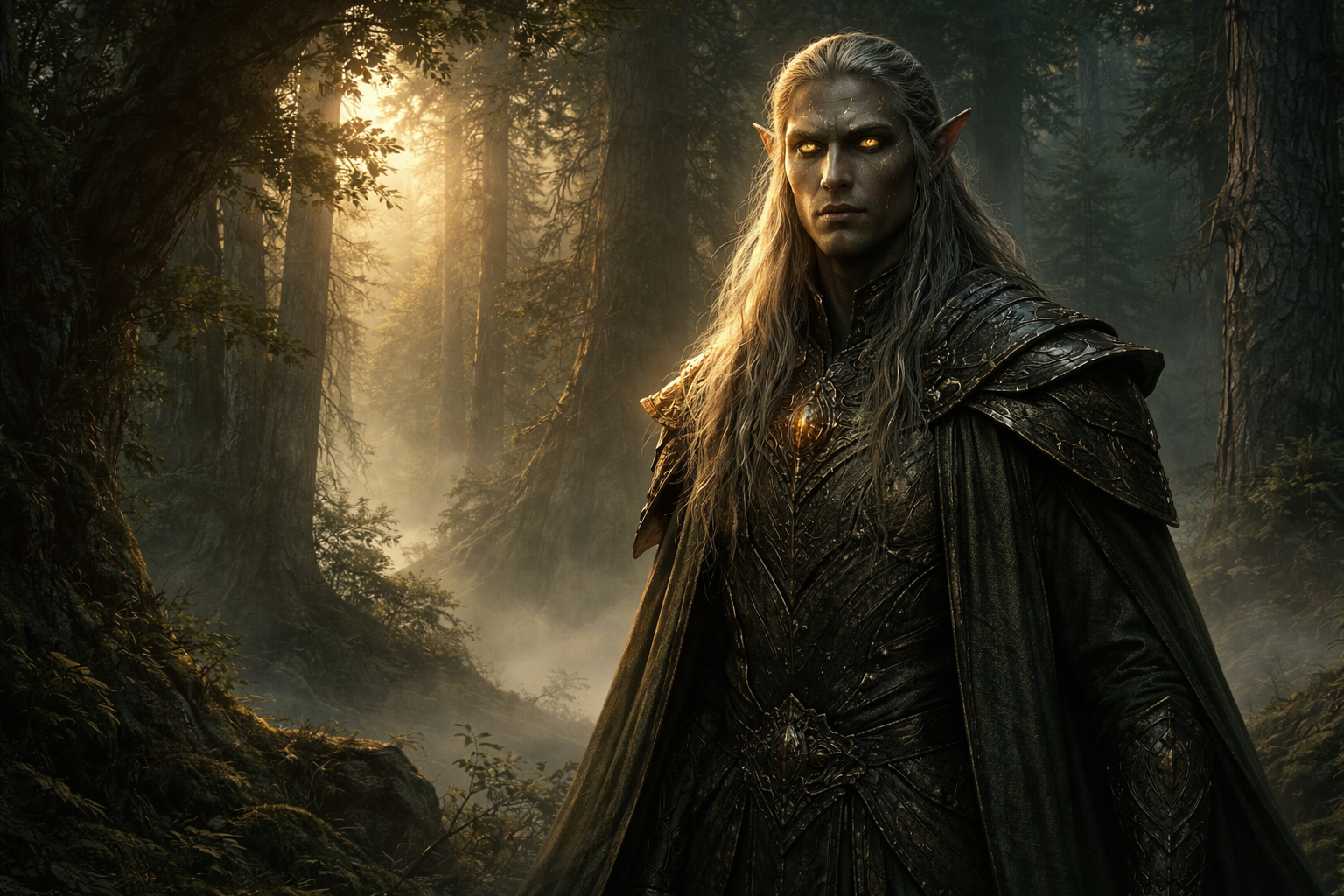
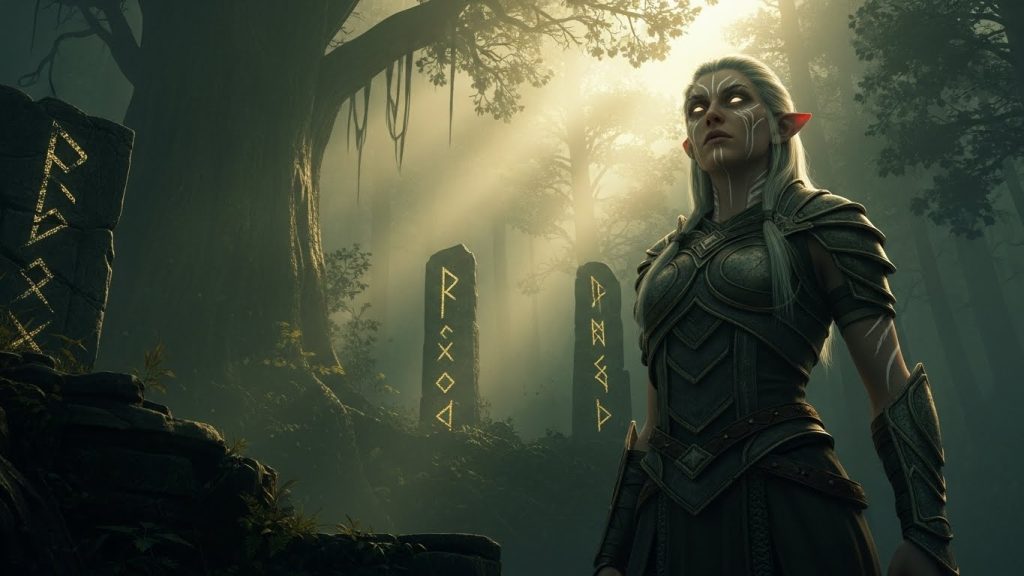
The earliest references to elves come from Northern Europe, especially Norse and Germanic cultures. The word “elf” originates from the Old Norse term álfar. These were not small, winged creatures. They were described as tall, radiant beings with unnatural intelligence and a deep connection to nature.
In Norse mythology, elves lived in realms such as Alfheim, a world said to exist parallel to Midgard, the human realm. According to ancient texts, Alfheim was gifted to the god Freyr, a deity associated with fertility and cosmic balance. This alone suggests that elves were seen as more than folklore. They were woven into the cosmic order of the universe.
Some scholars argue that early humans did not view elves as imaginary. Instead, the elf mythical beings were considered another intelligent race, existing just beyond human perception.
Light Elves and Dark Elves: Myth or Historical Classification?
One of the most intriguing aspects of the mythical elf legend is the division between Light Elves and Dark Elves.
Light Elves were said to be luminous, beautiful, and advanced. They were associated with healing, knowledge, and higher realms of existence. Dark Elves, also known as Svartálfar, were believed to dwell underground, working with metals, minerals, and forbidden crafts.
Historians often dismiss this as symbolism. But conspiracy theorists suggest something else. What if these descriptions were early attempts to classify different non-human species? Light Elves could represent surface-dwelling beings with advanced biological traits, while Dark Elves may have lived underground, adapting to darkness and isolation.
Ancient cave systems across Europe show signs of long-term habitation that predate recorded human settlements. Some researchers quietly ask whether humans were the first builders.
The Mythical Elf and Human Interaction
Throughout medieval Europe, elves were blamed for unexplained illnesses, missing livestock, and strange markings found in forests. These events were called “elf shot” or “elf sickness.” People believed elves could interfere with human health using invisible weapons or energy.
While modern science attributes these cases to disease or stress, the consistency of these reports across centuries raises questions. Different cultures, isolated by geography, described similar elf behaviors in striking detail.
In Celtic folklore, the mythical elf was known to abduct humans, particularly children and pregnant women. These stories are disturbingly similar to modern accounts of unexplained disappearances and time loss.
Coincidence, or a shared experience misunderstood through myth?
Hidden Mentions of Elf Mythical Beings in Ancient Texts
Christian scribes often rewrote or destroyed pagan texts. Yet traces of elf mythology remain hidden in religious manuscripts. In some early Christian writings, elves were described as fallen beings who existed between angels and humans.
The Church discouraged belief in elves, labeling them demons or illusions. This was not accidental. Eliminating belief in non-human intelligences helped centralize spiritual authority.
Interestingly, in Iceland, belief in elves never fully disappeared. Even today, construction projects are sometimes rerouted to avoid disturbing “elf stones.” Officials rarely admit it publicly, but local resistance is strong. Modern engineers have quietly acknowledged unexplained equipment failures near these sites.
If elves are fictional, why does the fear persist?
Elf Mythical Creatures Across Cultures
The idea of the elf mythical being is not limited to Europe.
In ancient Persia, beings similar to elves were described as tall, radiant watchers of nature. In Japan, yokai legends include forest spirits that closely resemble elves. Native American tribes spoke of “Little People” who lived in mountains and forests, often invisible but capable of physical interaction.
These cultures had no contact with one another, yet their descriptions align.
Tall, intelligent, nature-bound beings.
Advanced knowledge.
Ability to appear and disappear.
A tendency to avoid humans unless provoked.
This pattern suggests a shared origin or a shared experience.
Are Mythical Elves Interdimensional Beings?
One of the most controversial theories surrounding the mythical elf is that they are interdimensional entities. Instead of living in hidden forests, they may exist in a parallel frequency, occasionally intersecting with our reality.
This could explain why elves are often described as appearing suddenly, vanishing without a trace, and existing outside normal time. Ancient myths frequently mention humans spending hours with elves, only to return home and discover years have passed.
Modern physics now acknowledges the possibility of multiple dimensions. Ancient cultures may have described the same concept using mythological language.
Perhaps elves were never magical.
Perhaps they were advanced.
Why Modern Culture Rebranded the Elf Mythical Image
In recent centuries, the elf mythical figure has been softened. Literature and media portray elves as friendly, decorative, or comedic. This shift may not be accidental.
Turning a feared and respected figure into a harmless character removes its power. Once people stop taking a subject seriously, questions stop being asked.
The same pattern has occurred with dragons, giants, and other ancient beings. Once labeled fantasy, they are no longer investigated.
Some researchers believe this cultural rebranding was intentional, a way to bury uncomfortable truths beneath entertainment.
Could Elves Still Exist Today?
If mythical elves are real, they would have adapted. Avoiding human expansion, pollution, and surveillance would be necessary for survival. Deep forests, mountain ranges, and underground networks remain largely unexplored.
There are still modern reports of strange encounters. Hikers describe being watched, hearing voices with no source, or seeing humanoid figures vanish into thin air. These accounts are often dismissed as hallucinations or stress.
But history teaches us something important.
Every major discovery was once considered impossible.
The Elf Mythical Legacy: Forgotten History or Suppressed Truth?
The elf mythical legend has survived for a reason. Stories change, but core details remain. Intelligence. Secrecy. Power. Proximity to nature.
Whether elves were an ancient non-human species, interdimensional beings, or a misunderstood chapter of human evolution, one thing is certain. The mythical elf was never meant to be cute or harmless.
It represented something humanity did not fully understand and perhaps does not.
The question is not whether elves existed.
The question is why so many cultures were told to stop believing in them.
And what else were we told to forget?
Are mythical elves based on real beings?
Many historians dismiss elves as folklore, but some researchers believe the elf mythical legends may be distorted accounts of an ancient non-human race, an advanced lost civilization, or beings existing beyond normal human perception.
Where did belief in mythical elves originate?
Belief in the mythical elf originated mainly in Northern Europe, especially within Norse mythology. However, similar elf-like beings appear in Celtic, Persian, Japanese, and Native American traditions, suggesting a shared ancient origin.
What is the difference between light elves and dark elves?
In ancient texts, light elves were described as radiant and advanced, while dark elves lived underground and worked with metals and hidden knowledge. Some theories suggest this was not symbolism, but early classification of different elf mythical groups.
Why were elves removed from mainstream history?
As organized religion spread, belief in elves was discouraged and often labeled as heresy or superstition. Some conspiracy theories suggest the elf mythical narrative was intentionally rewritten to suppress knowledge of other intelligent beings.
Do people still believe in mythical elves today?
Yes. In countries like Iceland and parts of Scandinavia, belief in elves remains strong. Some modern construction projects are even altered to avoid areas believed to be inhabited by mythical elves.
Are mythical elves considered interdimensional beings?
One popular theory suggests elves are interdimensional entities rather than physical creatures. This could explain their ability to appear, disappear, and manipulate time, a recurring theme in elf mythical encounters.
How are mythical elves different from fairies?
While modern stories often group them together, ancient texts describe elves as taller, more intelligent, and far more powerful than fairies. The mythical elf was closer to a guardian or watcher than a playful spirit.
Could mythical elves still exist today?
Some believe elves may still exist in remote forests, underground systems, or parallel realms. Supporters of this theory argue that modern technology and urban expansion have simply pushed elf mythical beings further into hiding.
Why do mythical elves appear in so many cultures?
The global presence of elf-like beings suggests either a shared ancient experience or a common forgotten history. This consistency strengthens theories that the mythical elf represents more than imagination.