Ancient Egypt architecture is one of the world’s greatest architectural achievements, admired for its beauty, precision, and remarkable durability. Thousands of years after they were built, Egypt’s pyramids, temples, tombs, and monuments continue to inspire architects, historians, and travelers alike. These magnificent structures showcase not only incredible engineering skills but also the deep religious beliefs and cultural traditions of one of history’s most influential civilizations.
Unlike many ancient societies whose buildings have disappeared over time, the architecture of ancient Egypt has survived for millennia, providing valuable insights into the lives of pharaohs, priests, craftsmen, and ordinary citizens. Every stone, column, and carving tells a story about power, faith, and the pursuit of eternal life.
In this article, we’ll explore the history, defining characteristics, construction methods, famous monuments, and enduring influence of ancient Egypt architecture.
The Origins of Ancient Egypt Architecture
Ancient Egyptian civilization emerged around 3100 BCE when Upper and Lower Egypt were united under the first pharaoh. Early buildings were primarily constructed using mud bricks because they were inexpensive and readily available along the Nile River.
As Egyptian society became more prosperous, builders began using limestone, sandstone, and granite for temples, pyramids, and royal tombs. Stone construction allowed these monuments to withstand thousands of years of weathering, making them some of the oldest surviving architectural masterpieces on Earth.
The evolution from simple mud-brick houses to colossal stone monuments reflects the growing sophistication of Egyptian engineering and architectural planning.
Key Characteristics of Ancient Egypt Architecture
Monumental Scale
One of the defining features of ancient Egypt architecture is its enormous scale. Egyptian rulers believed that grand monuments symbolized divine authority and eternal power.
Ancient Egyptian builders created enormous temples, soaring obelisks, monumental statues, and majestic pyramids to reflect divine power and inspire awe among both people and the gods.
Symmetrical Design
Egyptian architects carefully planned their structures with perfect balance and symmetry. Long ceremonial pathways often led visitors toward temples through monumental gateways known as pylons.
Symmetry represented order, stability, and harmony—principles central to Egyptian beliefs about the universe.
Durable Building Materials
Egyptians selected materials based on the importance of the structure.
Common materials included:
- Limestone
- Sandstone
- Granite
- Basalt
- Alabaster
- Mud bricks
Royal monuments typically used high-quality stone, while homes and administrative buildings relied on sun-dried mud bricks.
Massive Columns
Columns became one of the most recognizable elements of ancient Egyptian architecture.
Their capitals were inspired by native plants such as:
- Papyrus
- Lotus flowers
- Palm trees
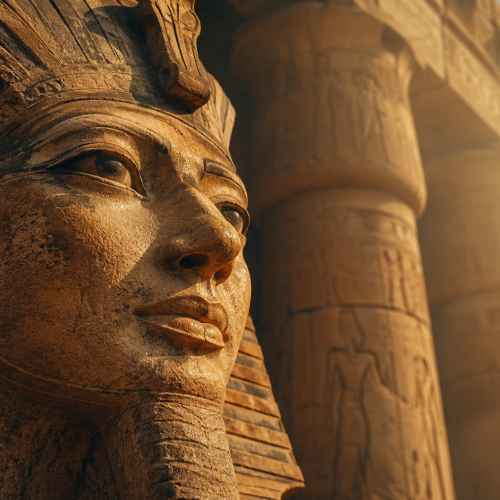
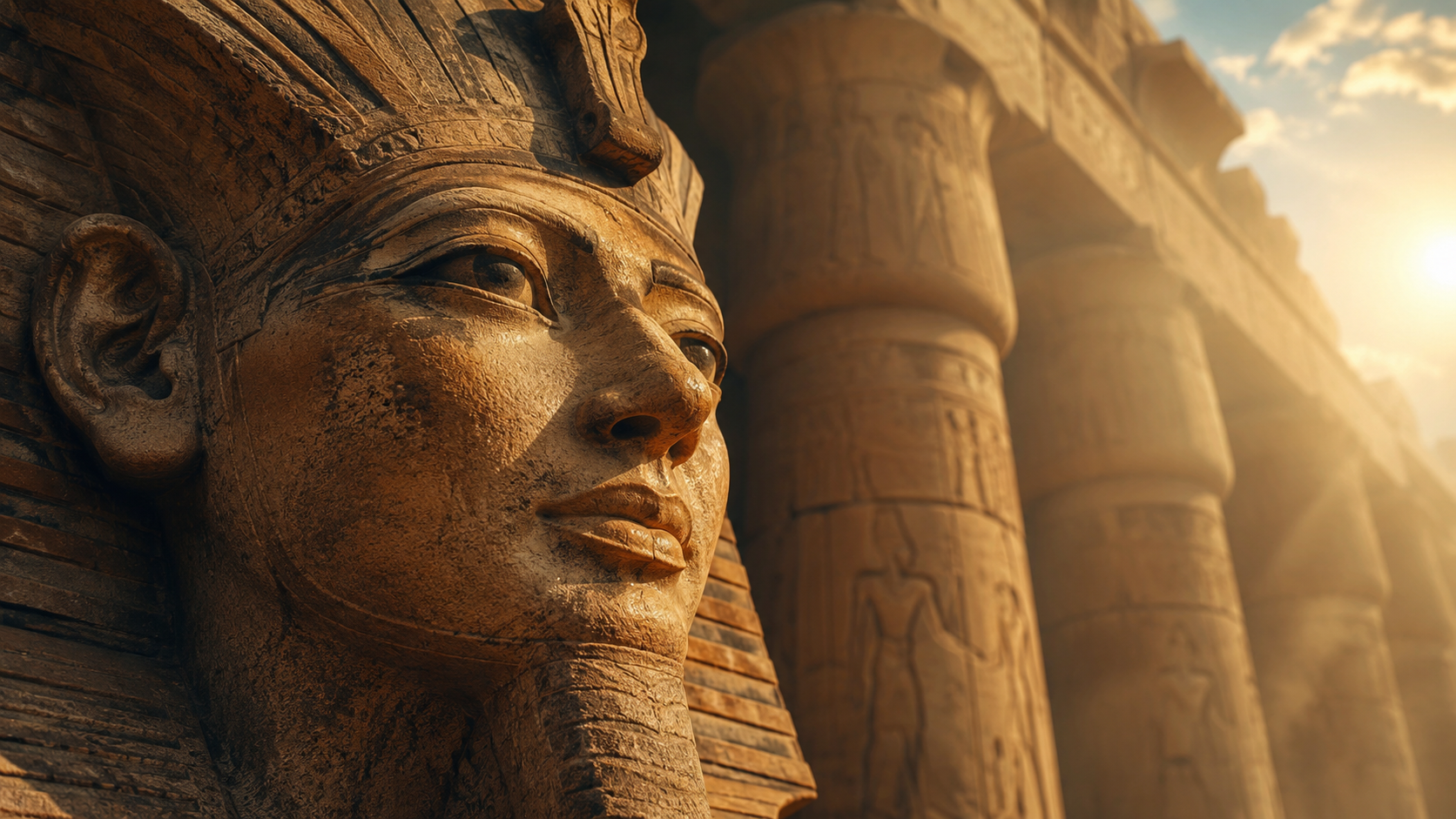
These columns were often beautifully painted and covered with hieroglyphic inscriptions depicting religious ceremonies and historical events.
Religious Symbolism
Religion influenced every aspect of Egyptian architecture.
Buildings were designed as sacred spaces where humans could communicate with the gods. Temples represented the universe, while pyramids symbolized the pharaoh’s journey toward the heavens.
Even the orientation of buildings often aligned with celestial events or the annual flooding of the Nile.
The Great Pyramids: Engineering Marvels
Any exploration of ancient Egypt architecture would be incomplete without highlighting its most iconic creations—the pyramids.
The most famous are the Pyramids of Giza, built during the Fourth Dynasty around 2600 BCE.
These include:
- Great Pyramid of Khufu
- Pyramid of Khafre
- Pyramid of Menkaure
The Great Pyramid originally stood approximately 146 meters (481 feet) tall and remained the tallest man-made structure in the world for nearly 4,000 years.
Built from millions of limestone blocks weighing several tons each, the pyramid demonstrates extraordinary precision despite the absence of modern machinery.
Ancient Egyptian Temples
In ancient Egypt, temples were considered sacred residences of the gods, not public places where people gathered to worship.
Only priests and pharaohs could enter the innermost sanctuaries.
Typical temple features included:
- Monumental pylons
- Open courtyards
- Hypostyle halls
- Sacred sanctuaries
- Obelisks
- Sacred lakes
Some of Egypt’s most famous temples include Karnak, Luxor, Abu Simbel, Edfu, and Philae.
These complexes evolved over centuries, with successive pharaohs adding new buildings and decorations.
Tombs and the Belief in the Afterlife
Ancient Egyptians believed death marked the beginning of eternal life.
As a result, enormous effort was invested in constructing elaborate tombs.
Early rulers were buried in rectangular mastabas before the development of step pyramids and true pyramids.
Later, many pharaohs chose hidden rock-cut tombs in the Valley of the Kings to protect their treasures from robbers.
These tombs featured:
- Colorful wall paintings
- Religious texts
- Intricate carvings
- Hidden chambers
- Protective corridors
Every detail was intended to ensure the ruler’s successful journey into the afterlife.
Construction Techniques That Amazed the World
Even today, scholars continue debating how the Egyptians built such enormous structures.
Several remarkable techniques contributed to their success.
Precision Planning
Architects carefully measured every angle using ropes, plumb bobs, and simple surveying tools.
The Great Pyramid’s alignment with true north is astonishingly accurate.
Skilled Workforce
Contrary to popular myths, archaeological evidence suggests that many pyramid builders were skilled workers rather than slaves.
These craftsmen lived in organized settlements and received food, medical care, and wages.
Transportation of Stone
Massive stones were transported using sledges over wet sand, reducing friction and allowing workers to move enormous blocks more efficiently.
Some granite stones traveled hundreds of kilometers along the Nile.
Advanced Engineering
Builders understood weight distribution, structural stability, and foundation preparation remarkably well.
Their engineering expertise enabled monuments to survive earthquakes, floods, and thousands of years of erosion.
Decorative Elements in Ancient Egypt Architecture
Egyptian buildings were rarely plain.
Walls, ceilings, and columns featured colorful decorations depicting:
- Pharaohs
- Gods and goddesses
- Religious rituals
- Military victories
- Agriculture
- Daily life
- Astronomy
Hieroglyphic inscriptions transformed architecture into historical records that modern archaeologists continue to study.
Many temples were originally painted in brilliant reds, blues, greens, and golds.
Why Ancient Egypt Architecture Was So Advanced
Several factors contributed to Egypt’s architectural success.
Stable Government
Powerful pharaohs organized massive construction projects over many decades.
Abundant Natural Resources
The Nile supplied transportation routes and fertile land, while nearby quarries provided excellent building stone.
Religious Motivation
Belief in eternal life encouraged rulers to construct monuments meant to last forever.
Skilled Craftsmen
Generations of builders passed architectural knowledge from one generation to the next, continually improving techniques.
Influence on Modern Architecture
The influence of ancient Egypt architecture extends far beyond Egypt itself.
Architectural elements inspired by Egyptian design can be found worldwide.
Examples include:
- Obelisks in major cities
- Monumental government buildings
- Museums
- Memorials
- Large stone entrances
- Decorative columns
Even modern architects continue studying Egyptian engineering for insights into durability and large-scale construction.
Fascinating Facts About Ancient Egypt Architecture
- The Great Pyramid was the tallest structure on Earth for nearly four millennia.
- Some temple columns exceed 20 meters in height.
- Many monuments were aligned with stars or the rising sun.
- Ancient Egyptian buildings were originally painted in vibrant colors.
- Workers carved millions of stone blocks with copper tools and stone hammers.
- Some monuments required decades to complete.
- Many temples were expanded by multiple generations of pharaohs.
Why Ancient Egypt Architecture Still Matters Today
Ancient Egyptian monuments are more than tourist attractions—they are enduring symbols of human creativity, engineering, and cultural achievement.
Researchers continue making new discoveries using modern technologies such as laser scanning, satellite imaging, and ground-penetrating radar. These tools reveal hidden chambers, forgotten structures, and previously unknown details about how ancient builders planned and constructed their masterpieces.
For students of history, architecture, and engineering, Egypt remains an unparalleled source of inspiration. Its monuments remind us that visionary planning, skilled craftsmanship, and a deep sense of purpose can produce works that endure for thousands of years.
Conclusion
Ancient Egypt architecture stands among humanity’s greatest achievements. From the awe-inspiring pyramids and magnificent temples to intricately decorated tombs and towering obelisks, these structures demonstrate exceptional engineering, artistic excellence, and spiritual devotion.
Their influence continues to shape architecture, archaeology, and historical research around the world. Whether admired for their monumental scale, precise construction, or profound symbolism, the architectural wonders of ancient Egypt remain timeless reminders of a civilization whose legacy continues to captivate generations.
What are the main characteristics of ancient Egypt architecture?
Its defining features include monumental scale, symmetry, stone construction, massive columns, religious symbolism, hieroglyphic decoration, and precise engineering.
Why are the pyramids important?
The pyramids served as royal tombs and symbolized the pharaoh's journey to the afterlife. They are also among the greatest engineering achievements in human history.
What materials did ancient Egyptians use?
Builders primarily used limestone, sandstone, granite, basalt, alabaster, and mud bricks, depending on the building's purpose and importance.
Why is ancient Egypt architecture famous?
It is famous for its durability, innovative construction techniques, monumental design, and lasting influence on architecture throughout the world.